A worn, cloth-bound poetry journal lies open on a dark walnut desk, its off-white pages filled with dense, hand-written lines and subtle ink smudges. A simple black fountain pen rests across the crease, next to a single feather tucked like a bookmark. In the background, blurred shelves hold mismatched notebooks and old radios, suggesting many different stories. Late-afternoon window light falls diagonally across the scene, creating a quiet chiaroscuro of warm highlights and deep, velvety shadows. Photographic realism, shot at eye level with a shallow depth of field, emphasizes texture in paper and wood. The mood is contemplative and sophisticated, evoking freedom of expression and unheard voices without showing any people or text legible enough to read.

Poetry of freedom from voices less heard

About

Freedom Poetry Voices is a publication devoted to poetry about freedom, centering marginalized voices whose stories are often erased. We honor lived experience over convention and welcome work that speaks truth without apology or censure.
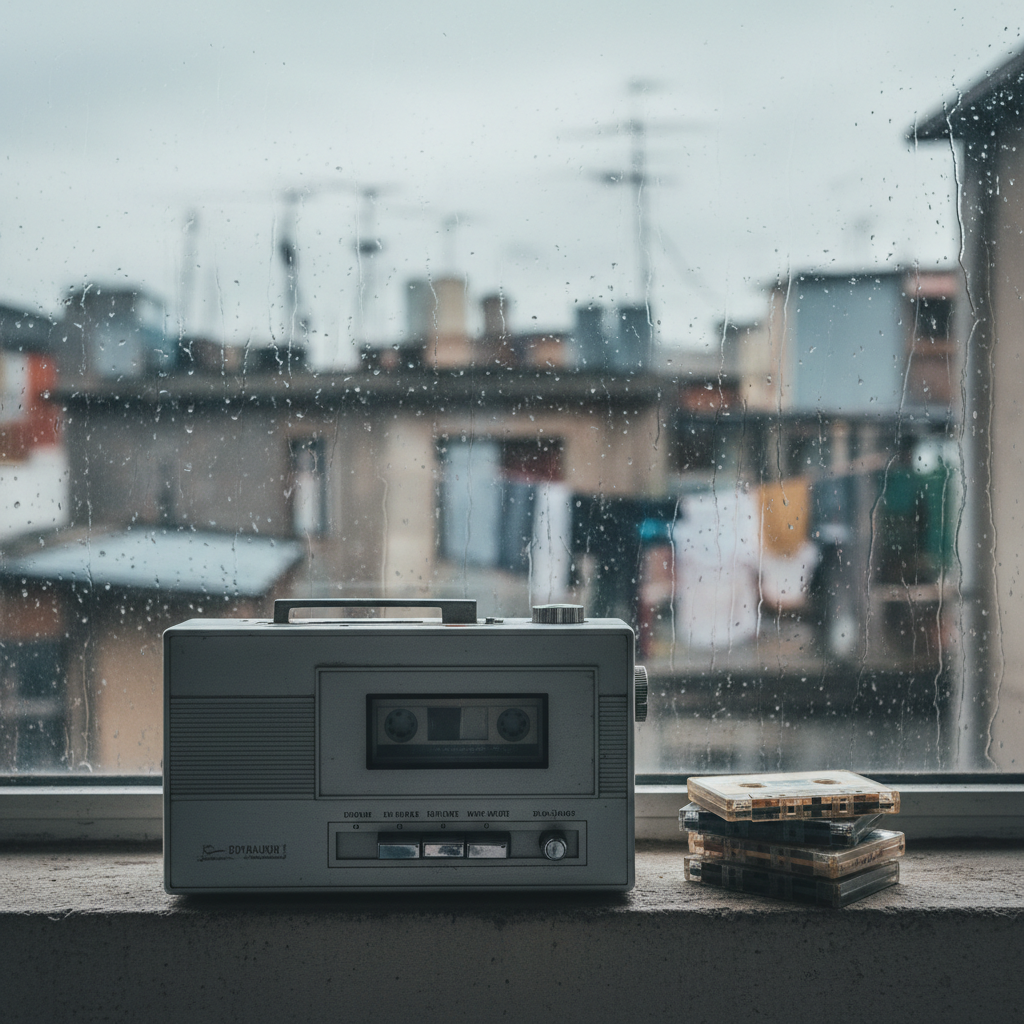
A vintage, slightly scuffed tape recorder sits on a concrete windowsill, its chrome buttons reflecting soft overcast daylight. Next to it, a small stack of cassette tapes is labeled with faint, unreadable handwriting, edges worn from frequent use. Outside the window, out of focus, abstract shapes of city rooftops and laundry lines hint at dense, lived-in neighborhoods. The window glass is streaked with rain, catching the cool gray light. Photographic realism, framed with the tape recorder on the lower third and a shallow depth of field, creates an intimate, documentary feel. The atmosphere is quiet yet resilient, suggesting captured spoken-word poems and underground voices being preserved, all without human figures.

Poems

Freedom of expression for every voice

We publish poems rooted in lived experience, especially from marginalized communities, building a space where freedom, dignity, and radical honesty shape every line.
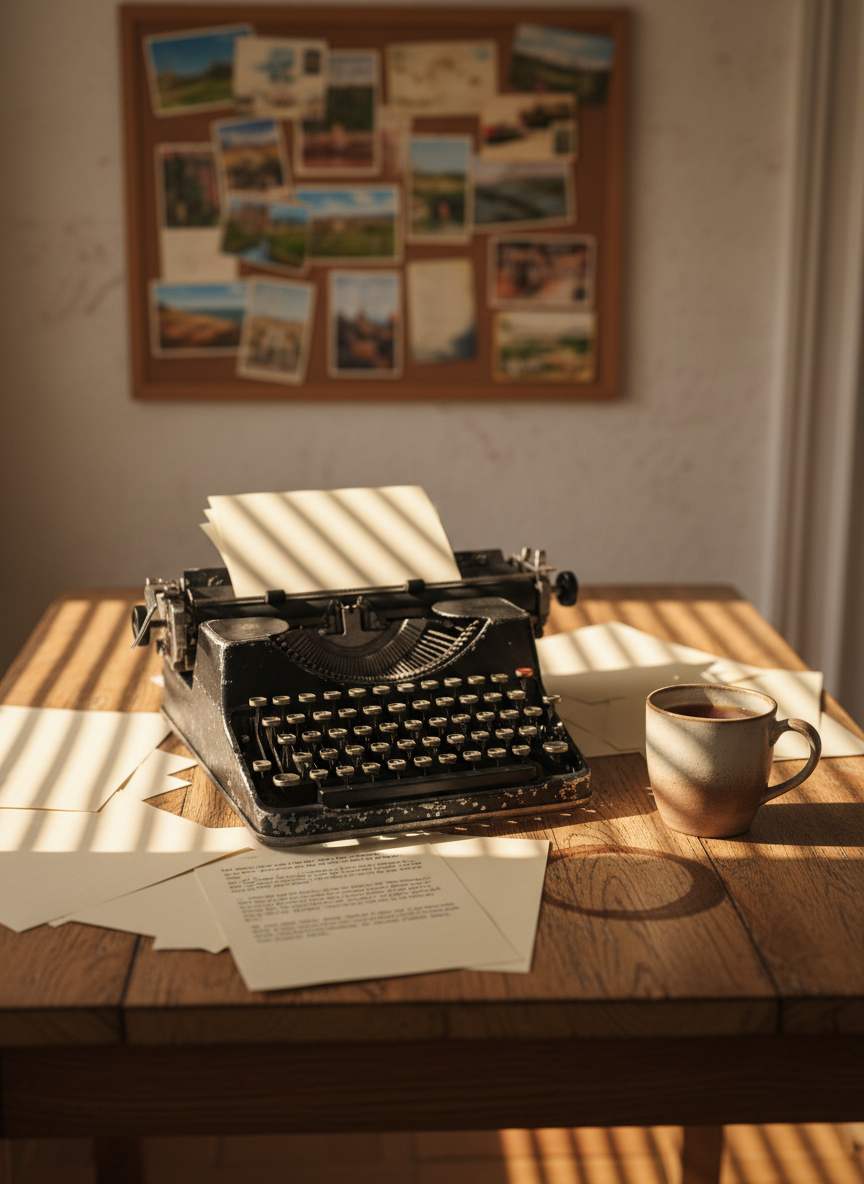
A battered metal typewriter with chipped black paint occupies the center of an old oak kitchen table, surrounded by scattered sheets of blank and lightly typed paper with indistinct words. A ceramic mug, stained on the inside, sits half-full beside it, leaving a circular ring on the wood. Faded postcards from different countries are pinned to a corkboard in the background, out of focus, hinting at migration and complex identities. Morning sunlight streams through unseen blinds, creating striped patterns of light and shadow across the keys. Photographic realism, shot from a slightly elevated angle with moderate depth of field, gives a sophisticated, nostalgic mood, embodying the labor and freedom of crafting poetry without revealing any people or readable text.
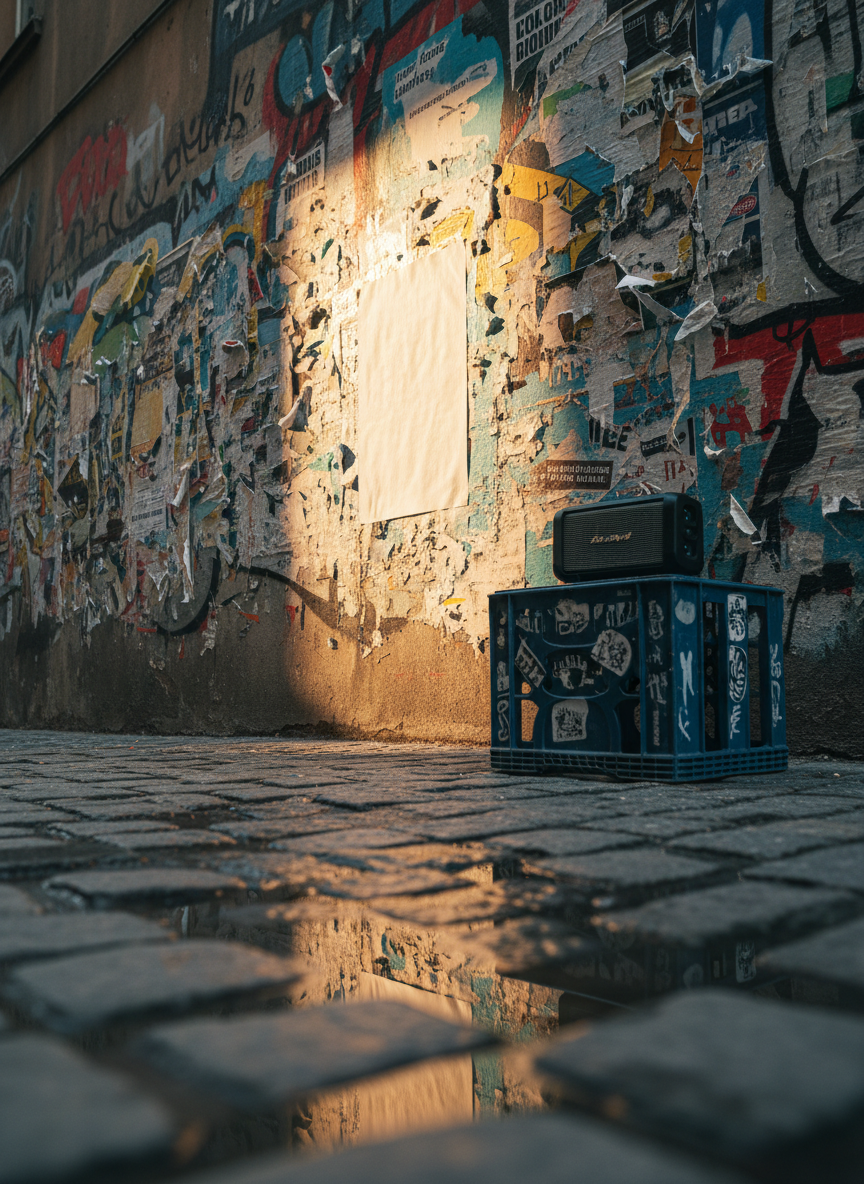
A narrow alley wall covered in layered, peeling posters and painted-over graffiti becomes an abstract canvas of color and texture. In the center, a blank wheat-pasted sheet of rough paper stands out, illuminated by a shaft of late-afternoon golden light filtering between tall buildings. Nearby, a small portable speaker, scuffed and stickered, rests on an overturned milk crate, its surface catching subtle highlights. Puddles on the cobblestone ground mirror fragmented reflections of the wall. Photographic realism, captured from a low, slightly tilted angle, uses shallow depth of field to keep focus on the wall’s textures. The mood is raw yet dignified, hinting at street poetry and marginalized stories claiming space, while carefully avoiding any human silhouettes or readable words.
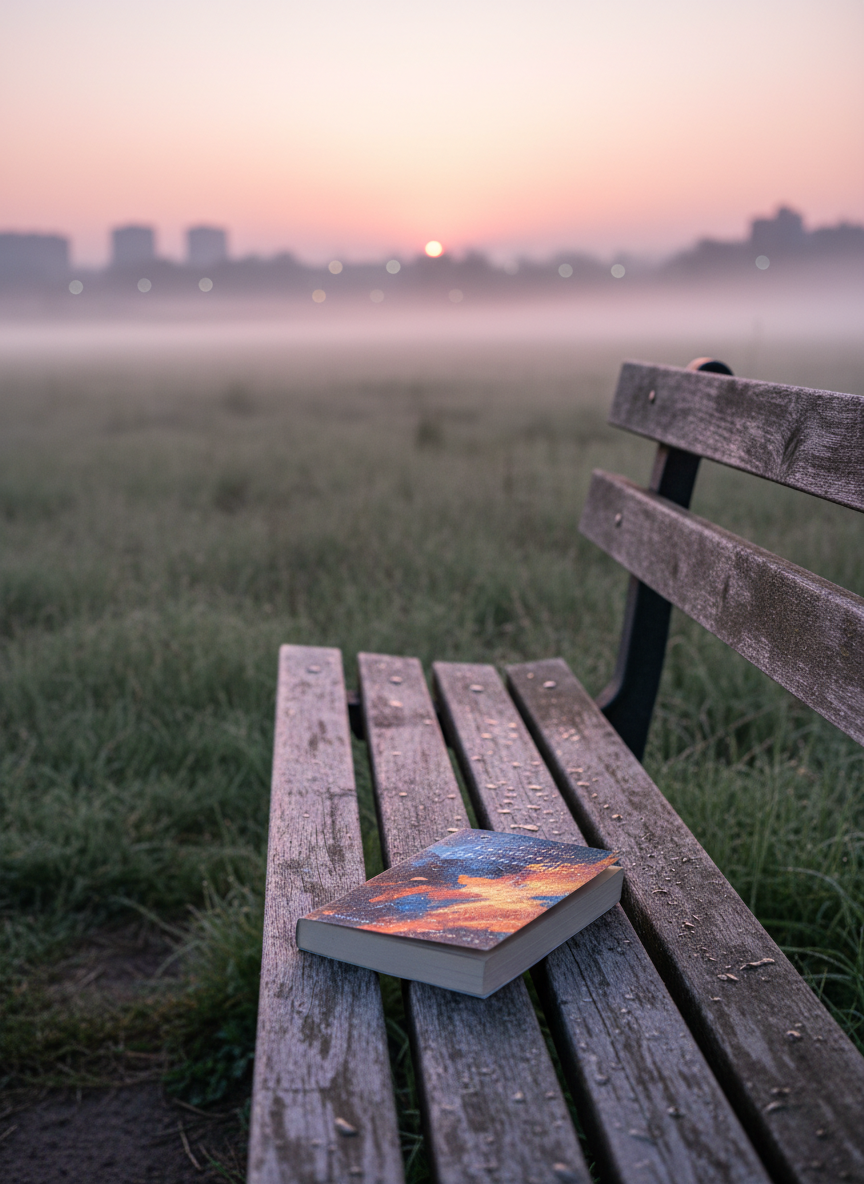
A weathered wooden park bench faces an open, misty field at dawn, a slim, colorful poetry anthology resting on its slatted seat. The book’s cover is abstract and textless, brushed with deep blues, burnt oranges, and golds that evoke liberation and resilience. Dew beads on the bench, catching the first soft pink and lavender light of sunrise. Tall grasses in the background blur into a gentle haze, with distant, indistinct city shapes just visible on the horizon. Photographic realism, composed using the rule of thirds, keeps the bench and book in sharp focus while the environment softly recedes. The mood is hopeful and introspective, suggesting quiet moments of reading poems about freedom at the edge between nature and urban life.

Newsletter

Receive new poems and calls for submissions by email.